The technology
When AI gets a body, everything changes.
For years, AI lived behind a screen. It could write, analyse, predict and generate — but it couldn't open a door, pick up a box, navigate a warehouse or work beside you. That is changing.
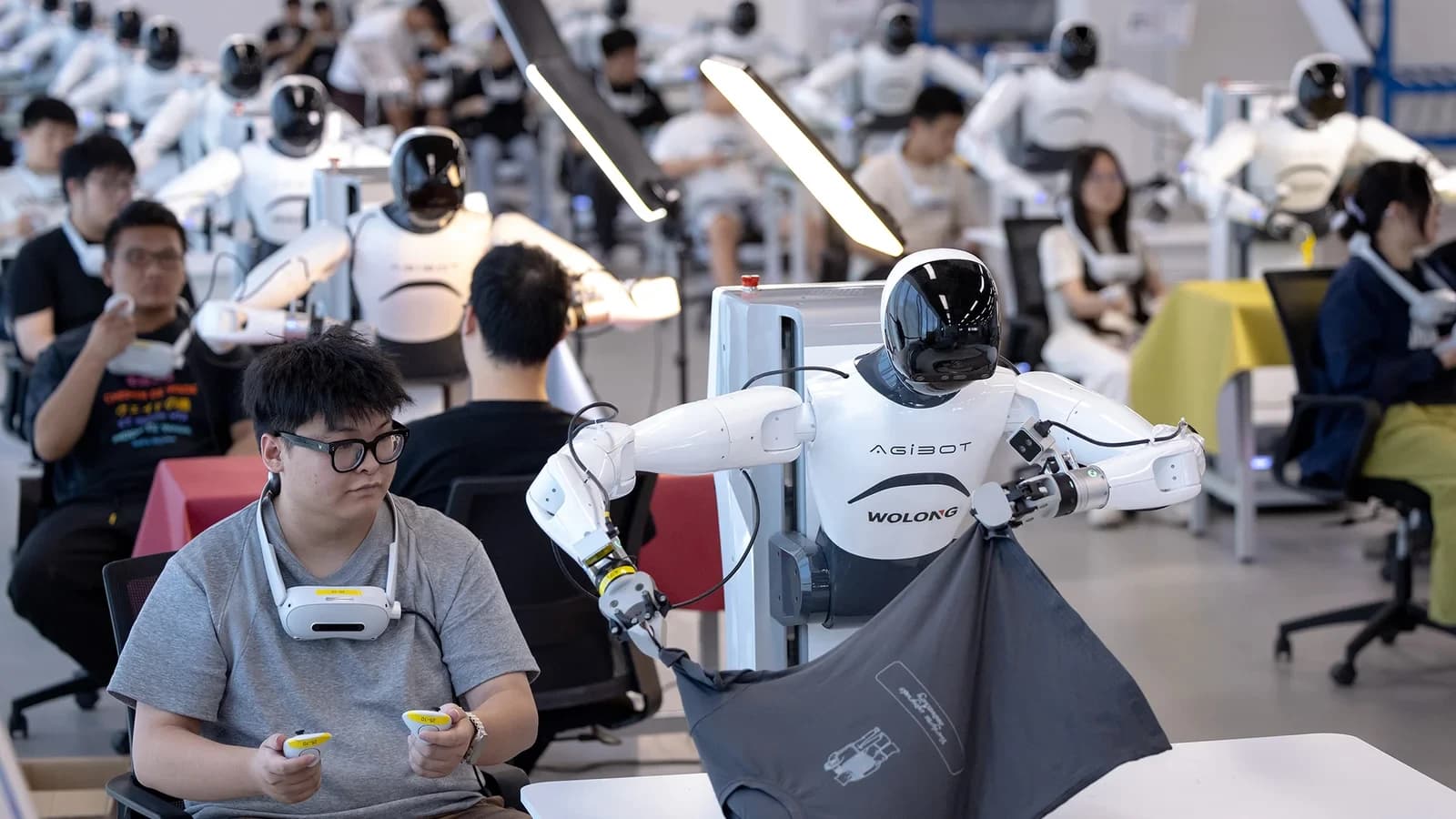
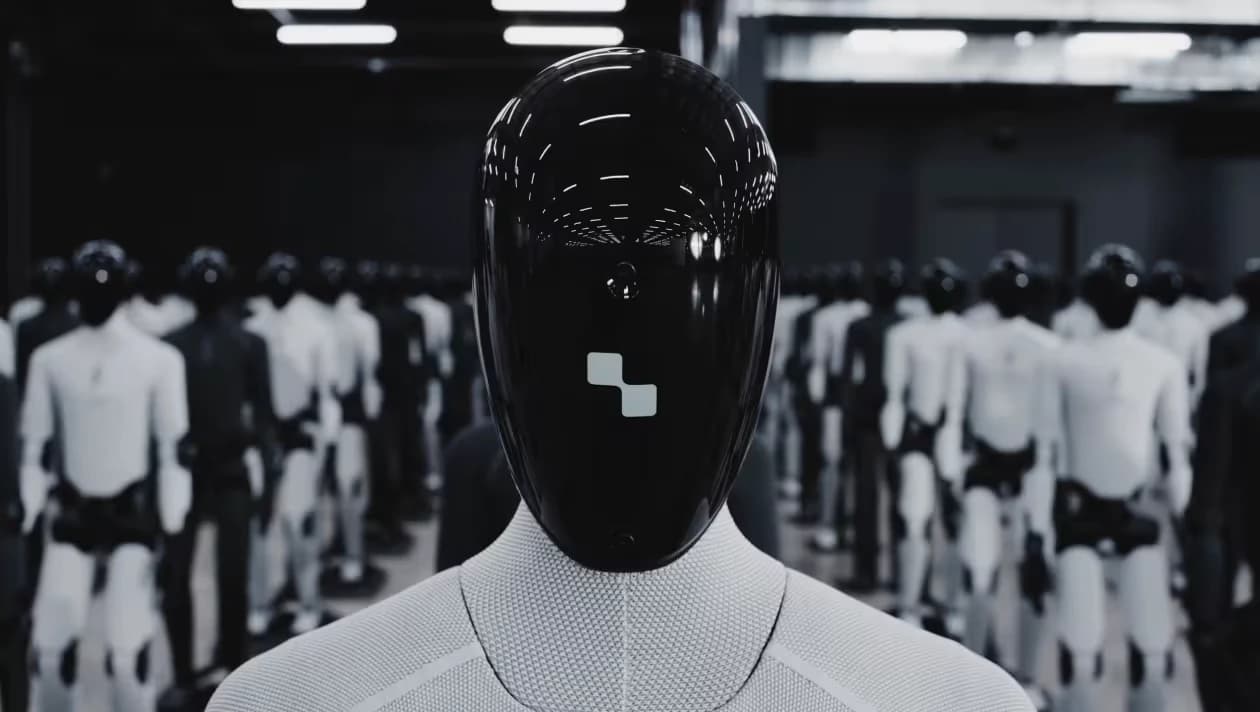
Physical AI gives machines the ability to perceive the world around them, understand what is happening, move through it and act within it. Humanoid robots are the clearest sign of where this is heading: built to operate in environments designed for people, using the same doors, tools, workstations and spaces we already use.
But the technology is still early. A robot completing a demonstration is one thing. A robot reliably doing useful work, day after day, in a real organization is something else. That gap is where things get interesting.
In the lab you'll see the technology up close — not as a video, a slide or a promise, but as machines operating in the physical world. We bring together humanoids, embodied AI, autonomous systems and the people building them, so organizations can understand what is real today, what is developing fast, and what may become possible next.
The question isn't whether robots are coming. It's what you'll do when they arrive.
And who gets to decide how they arrive. We'd like it to be the conscious ones.